

How to Read a Fragrance Pyramid: Top, Heart and Base
A fragrance pyramid sorts notes into top, heart and base by the order in which they appear on the skin. This guide shows how to read one, what it can and cannot tell you, and why some houses publish no notes at all.

A fragrance pyramid is a list of notes in the order you meet them. Perfume does not smell the same from the first spray to the last trace, because its materials evaporate at different speeds. The pyramid describes that progression in three steps: top, heart and base. Read well, it tells you more about a perfume than any adjective on the box.
The three levels
| Level | Role | Typical notes | When you notice it |
|---|---|---|---|
| Top notes | The first impression | Citrus, herbs, light fruit, pink pepper | Straight after spraying, for the first minutes |
| Heart notes | The body and character | Flowers, spices, fruit, green notes | As the top fades |
| Base notes | The foundation that remains | Woods, resins, musk, vanilla, amber | In the final stage, and on fabric afterwards |
Top notes are built from the lightest, fastest materials, which is why they are bright and short. Heart notes are the reason you keep wearing a perfume: they carry its style. Base notes are the heaviest, and they decide how a perfume ends and how rich it feels.
A worked example
Take Reflection Man by Amouage. The house lists rosemary, red pepper berries and bitter orange leaves on top, neroli, orris, jasmine and ylang-ylang in the heart, and vetiver, patchouli, sandalwood and cedarwood in the base.

Without smelling it, you can still read the story. It opens herbal, peppery and bitter. It turns floral and softly powdery in the middle. It settles into dry, earthy woods. Amouage files it under fougère and amber, which fits: a fresh herbal start on a warm woody floor.
What the pyramid cannot tell you
- A fixed schedule. The tiers are a description, not a timetable. Skin, temperature and concentration all change how fast each stage arrives.
- Sharp borders. Many materials span two levels. A rose can be in the heart and still be there in the base.
- Agreement between sources. Houses and databases sometimes assign the same note to different tiers. Use the house's own list when it exists.
- Every ingredient. A pyramid shows the main impressions, not the full formula.
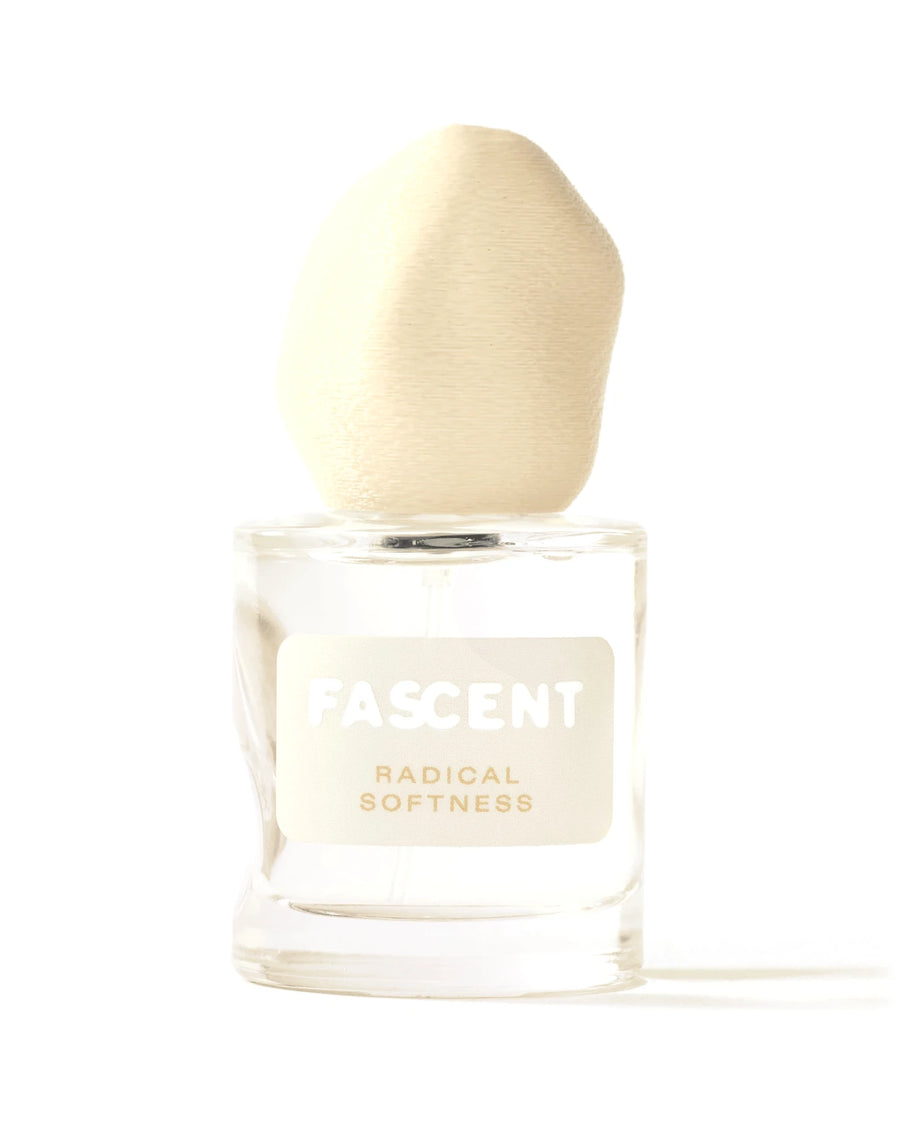
Some perfumes are also built as accords rather than single materials. An accord is a blend that evokes something one material cannot, such as clean linen or whipped cream. Radical Softness by Fascent lists a skin-to-skin accord in its base, next to Ambrox and white musk. Read an accord as a feeling and not as an ingredient.
Long lists and short lists
The length of a pyramid says little about the perfume. La Tulipe by Byredo lists six notes in all: cyclamen, freesia and rhubarb on top, tulip in the heart, blonde woods and vetiver in the base. Diaghilev by Roja Parfums lists more than thirty, from lemon, bergamot and tarragon through rose de mai, tuberose and peach to oakmoss, sandalwood, leather and ambergris.

Neither is better. A short pyramid is a sharp focus, a long one a wide canvas. With a long list, do not try to follow every note. Read the families inside it instead: citrus and tarragon on top, white flowers and fruit in the middle, wood, resin, leather and musk below.
When there is no pyramid
Many houses give a flat list instead of three tiers. Santal 33 by Le Labo is described by its materials: cardamom, iris, violet, Australian sandalwood and cedarwood. Tubéreuse Astrale by Maison Crivelli lists key raw materials: cinnamon bark, tuberose absolute, osmanthus absolute, carrot seeds, cistus absolute, a leather accord and musks.

A flat list is still useful. Sort the materials yourself. Cardamom, citrus and mint tend to open a perfume. Rose, iris and tuberose sit in the middle. Sandalwood, cedar, cistus, leather and musks usually carry the end. You get a rough pyramid without the house drawing it for you.
Why some houses publish no notes
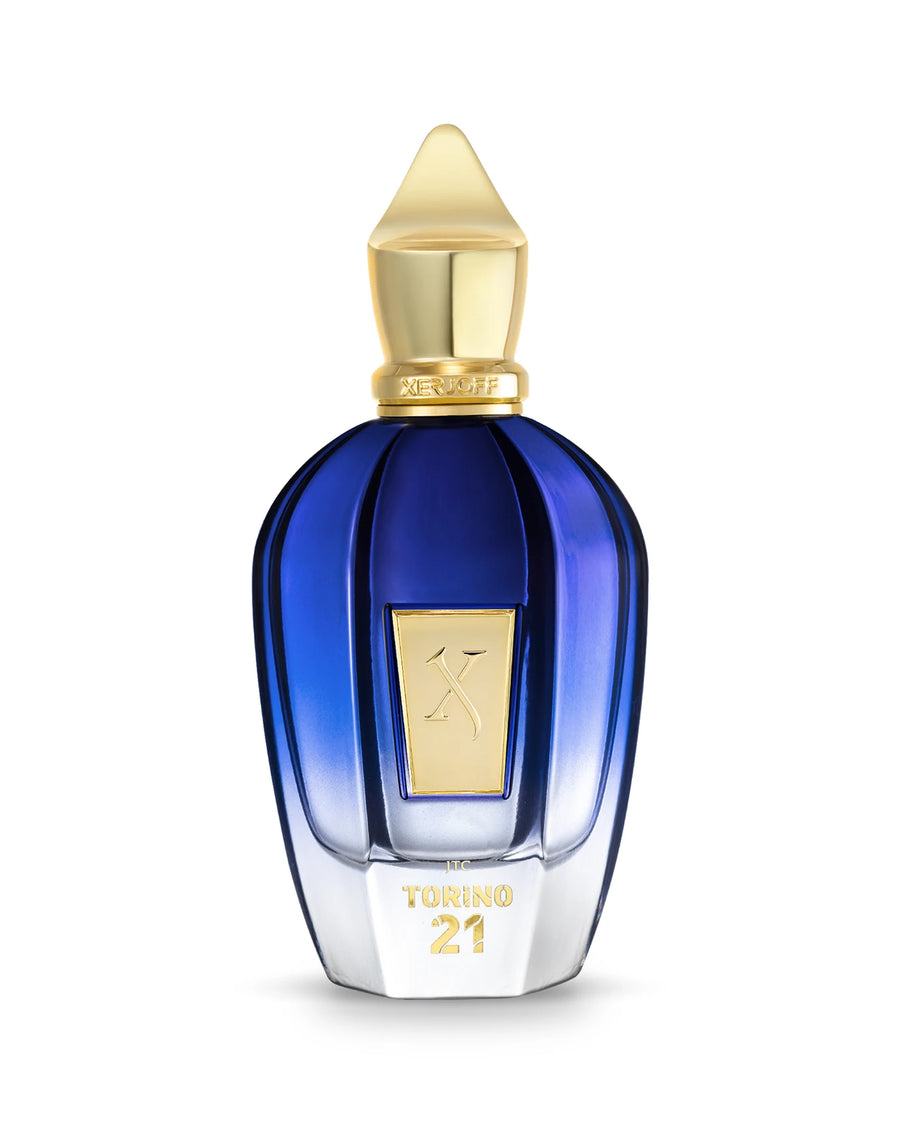
A few houses go further and publish no notes at all. Nasomatto gives each perfume a short evocation of the feeling it aims for, and its sister house Orto Parisi states in its FAQ that its perfumer does not reveal the notes. Xerjoff treats the notes of its Join The Club collection as a secret. Torino21 belongs to that collection: the house presents it as a fresh scent built around the charged minutes before a top-level tennis match, and names no ingredients. Maison Crivelli keeps a whole collection, Mystères Olfactifs, whose formulas are deliberately not revealed.
Each of these houses has its own reasons, and they are creative ones: the perfume is meant to be met as a whole, not as a shopping list. The cost is that you have less to go on. In that case:
- Use the family label. Xerjoff calls Torino21 fresh and aromatic. That is a direction, not a recipe.
- Read the story. The concept tells you about mood, temperature and weight even without notes. Keep in mind that a label and a story can answer different questions.
- Try before you commit. With no notes, a sample on your own skin is the only reliable test.
On this site, notes come from the house or from a source that names the exact perfume and concentration. Where a house publishes none, the product page says so and we do not guess.
How to use a pyramid when you shop
- Read the base first. It tells you how the perfume will feel for most of its life on your skin.
- Look for notes you already love or avoid. One note you dislike can matter more than five you like.
- Check the family. Our guide to fragrance families helps you name what you are looking at.
- Combine it with the rest. Notes, family and concentration together give a far better picture than any one of them, as we show in our guide to choosing a niche perfume without smelling it first.
You can browse the notes of every perfume by house on our brands page.
Frequently asked questions
How long does each part of the pyramid last?
There is no fixed schedule. Top notes show in the first minutes, the heart takes over as they fade, and the base stays longest. Skin, temperature and concentration shift all three stages.
Why does a perfume change on my skin?
Its materials evaporate at different speeds. Light notes leave first, heavier ones remain. The pyramid describes that order, and your skin adds its own variation.
Do the notes list every ingredient in a perfume?
No. Notes describe the main impressions, and some are accords that evoke something rather than name one material. The full ingredient list on the box is a separate, longer document.


