

Fragrance Families: How to Find the Scent Style You Like
Woody, amber, floral, citrus, gourmand, aquatic, leather and aromatic: the main fragrance families, what each is built from and how to tell which one suits you. Every family comes with a real perfume described by its recorded notes.

Fragrance families are a shortcut. Instead of memorising hundreds of notes, you learn a handful of broad styles and work out which of them you reach for. A family describes the dominant character of a perfume: woody, floral, citrus and so on. Most perfumes mix two or more, which is why houses often label them with a pair, such as "Fruity · Woody" or "Gourmand · Ambery".
There is no single standard system. Houses use their own words, and the same perfume can sit in different families depending on who is describing it. Treat the families below as a map that helps you describe your taste, not as strict boxes.
The eight families at a glance
| Family | What defines it | Typical notes |
|---|---|---|
| Woody | Dry, warm, smooth or smoky wood | Cedar, sandalwood, vetiver, patchouli, guaiac |
| Amber and oriental | Warm, resinous, sweet and enveloping | Benzoin, labdanum, vanilla, frankincense, spices |
| Floral | Petals, from soft and powdery to heady | Rose, jasmine, tuberose, orange blossom, iris |
| Citrus | Bright, sparkling, clean | Bergamot, lemon, grapefruit, mandarin, yuzu |
| Gourmand | Sweet, edible impressions | Caramel, hazelnut, vanilla, praline, fruit |
| Aquatic | Salty, airy, mineral | Sea salt, marine notes, seaweed, ambergris |
| Leather | Supple to smoky, sometimes dark | Leather accord, suede, birch tar, tobacco |
| Aromatic | Herbal, green, fresh | Lavender, mint, sage, rosemary, thyme |
The families in more detail
Woody
Wood gives structure. A woody perfume can be creamy like sandalwood, dry and rooty like vetiver or sharp like cedar. The Hedonist by Ex Nihilo is built this way: bergamot and ginger on top, cedarwood and Akigalawood in the heart, then vetiver, musks and tonka bean in the base.

Amber and oriental
"Oriental" is the older label for warm, resinous and spiced perfumes. Many houses now say amber, though some, like Sospiro, still use oriental. Il Padrino opens with dark rum, amaretto, blackcurrant and bergamot, moves through patchouli blossom, dry amber and sandalwood, and rests on labdanum, vanilla wood and Siam benzoin.

Floral
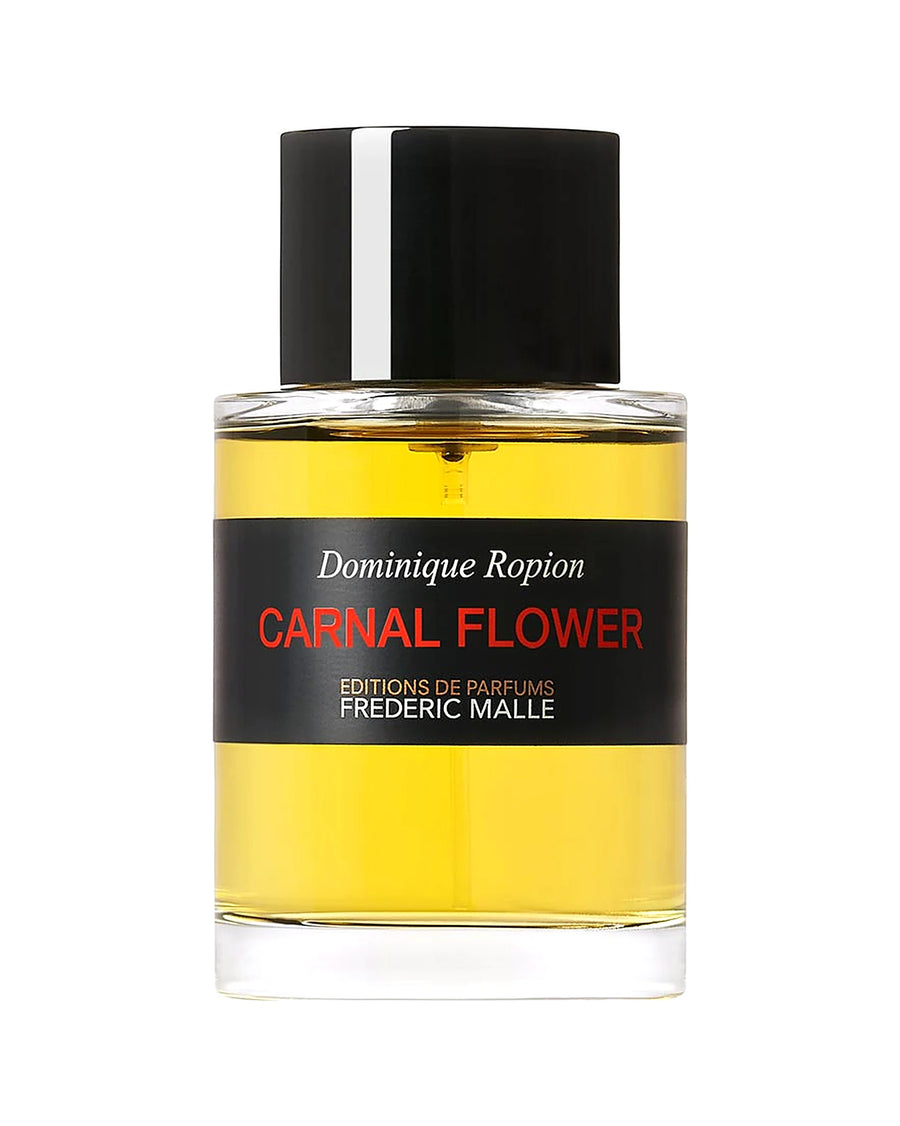
Florals range from a single clear flower to a full bouquet. Carnal Flower by Frederic Malle is centred on tuberose. Its recorded notes place melon-like water fruits, vegetal notes and fresh tuberose at the top, and milky tuberose with musk at the base.
Citrus
Citrus is the quickest family to read: it is bright from the first spray, and it fades first, which is why perfumers often pair it with something that holds on. L'Eau d'Or Dort by Fascent keeps citrus central with bergamot, citron and lemon, then adds orange blossom, petit grain and a clean linen accord over aldehydes and white musk.

Gourmand
Gourmand perfumes borrow from the kitchen: caramel, hazelnut, vanilla, fruit. They are sweet without being simple, because a good one needs something dry to balance it. Poka by Pernoire lists caramel popcorn, apple pie and cinnamon on top, roasted hazelnut, labdanum and dried apricot in the heart, and vanilla, musk, tonka bean and cedarwood in the base.

Aquatic
Aquatic perfumes suggest the sea without being a literal beach. Salt, ozone and marine notes give them air and a mineral edge. Black Sea by Lorenzo Pazzaglia pairs bergamot, Sardinian myrtle, salt and ozone with orange blossom and black salt of Cyprus, then seaweed, white musk, patchouli, oakmoss and ambergris.

Leather
Leather in perfume is an impression, built from smoky, slightly sweet and sometimes animalic materials. Mécanique Intuitive by Les Eaux Primordiales describes itself as warm and animalic: osmanthus and black tea on top, tobacco and rum in the heart, tonka bean, vanilla and leather underneath.
Aromatic
Aromatic perfumes borrow from herbs and the garden: lavender, mint, sage, thyme. They read as clean and green, often with a cooling effect. Yuma by Pernoire combines Swiss mint, peppermint, yuzu and bergamot with alpine breeze, edelweiss, ginger and cashmeran, and ends on dry amber, vetiver, musk and patchouli.
What a family does not tell you
A family names a character, not a strength, a season or a wearer. Aquatic perfumes can be rich and long-lasting, and a woody perfume can be light. Gender labels are just as loose: the eight perfumes above are all unisex, and the notes, not the label, decide whether a scent suits you.
The family also says little about how a perfume develops. Two woody perfumes can open very differently, one with citrus and ginger, the other with spice and incense. That is why the pyramid matters as much as the family: the family tells you where to look, and the notes tell you what you will meet along the way.
How to find your family
- Start with what you already wear. Look up the notes of the perfumes you like and the ones you finish. Patterns appear quickly.
- Answer three simple questions. Decide whether you prefer sweet or dry, warm or cool, clean or dark. The answers narrow the field before any family name does.
- Try the neighbours. Families blend into each other. If you like citrus, aromatic and aquatic are close. If you like amber, look at gourmand and leather. If you like florals, try the powdery and woody ones.
- Read the pair. When a house lists two families, the first usually leads. "Gourmand · Ambery" starts sweet and settles warm.
Our guide to reading a fragrance pyramid shows how the notes inside a family unfold over time, and choosing without smelling first puts both ideas to work. You can browse every house on our brands page.
Frequently asked questions
How many fragrance families are there?
There is no fixed number. Many systems use four main groups, floral, amber, woody and fresh, and split them into subfamilies such as gourmand, citrus, leather or aromatic. Houses often use their own labels.
Can a perfume belong to more than one family?
Yes, and most do. Houses often name two or three. Pernoire labels Poka as Gourmand and Ambery, and Yuma as Aromatic and Citrus. The first family usually describes the first impression.
What is the difference between amber and oriental?
Mostly the name. Oriental is the older label for warm, resinous, spiced perfumes, and many houses now say amber instead. Some still use oriental, such as Sospiro for Il Padrino.


