

Why Is Perfume So Expensive? What Niche Houses Pay For
A plain look at why perfume is so expensive, using the cost drivers that houses state themselves: oil share, ageing, named raw materials, glass and creative time.

Why is perfume so expensive, people ask, and the honest answer is a list rather than one reason. The list is easiest to follow in the words of the houses themselves, and Amouage Guidance is a good place to start: the brand states 25% perfume oil and four weeks of ageing for this Eau de Parfum. Those two figures already show two cost drivers, the amount of concentrated material in each bottle and the time a batch is held before it is ready. Everything below comes from what the houses say about their own perfumes.

Why is perfume so expensive: the main cost drivers
Six drivers recur in what the houses we list tell about their perfumes. They differ in weight, and no house shows its accounts, so the list explains where cost comes from, not how much of the total each part makes up.
- Raw materials, above all natural ones that depend on a harvest.
- Concentration, the share of perfume oil in the bottle.
- Ageing and infusion, which keep a batch in the workshop for weeks or months.
- Production scale, from a harvest given to one perfume to a full range.
- Glass, caps and boxes.
- Creative work, from the brief to the many months a creation can take.
Concentration: how much perfume oil goes into the bottle
Perfume oil is the concentrated part of a formula, and a higher share usually means more raw material in every bottle. Amouage publishes a scale for its own range: Eau de Parfum at 15 to 35% perfume oil and Extrait de Parfum at 40 to 56%. Guidance sits at 25%, and its Extrait follow-up, Guidance 46, is dosed at 46%; our comparison of the two shows what that difference looks like in the notes.
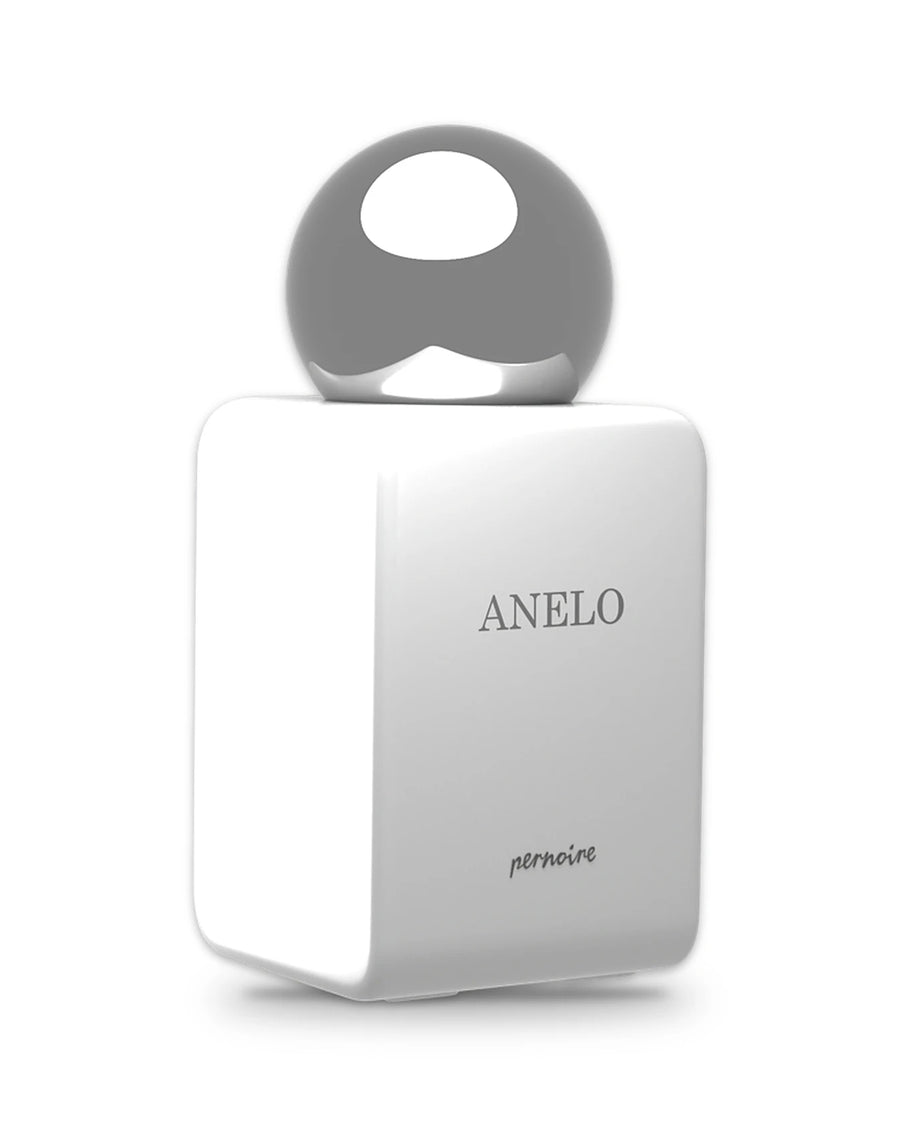
Pernoire Anelo belongs to a house that makes only extraits, in two lines: Anima at 25% and Odus at 30%. Anelo is an Odus, built around pineapple and pomelo over a dry woody base, and it comes in a 50 ml flacon.
Raw materials: what a house chooses to name
Raw materials that depend on a harvest, such as saffron, rose or oud, tend to carry more cost than ingredients made in a laboratory, and a house that names its material is showing where the money goes.
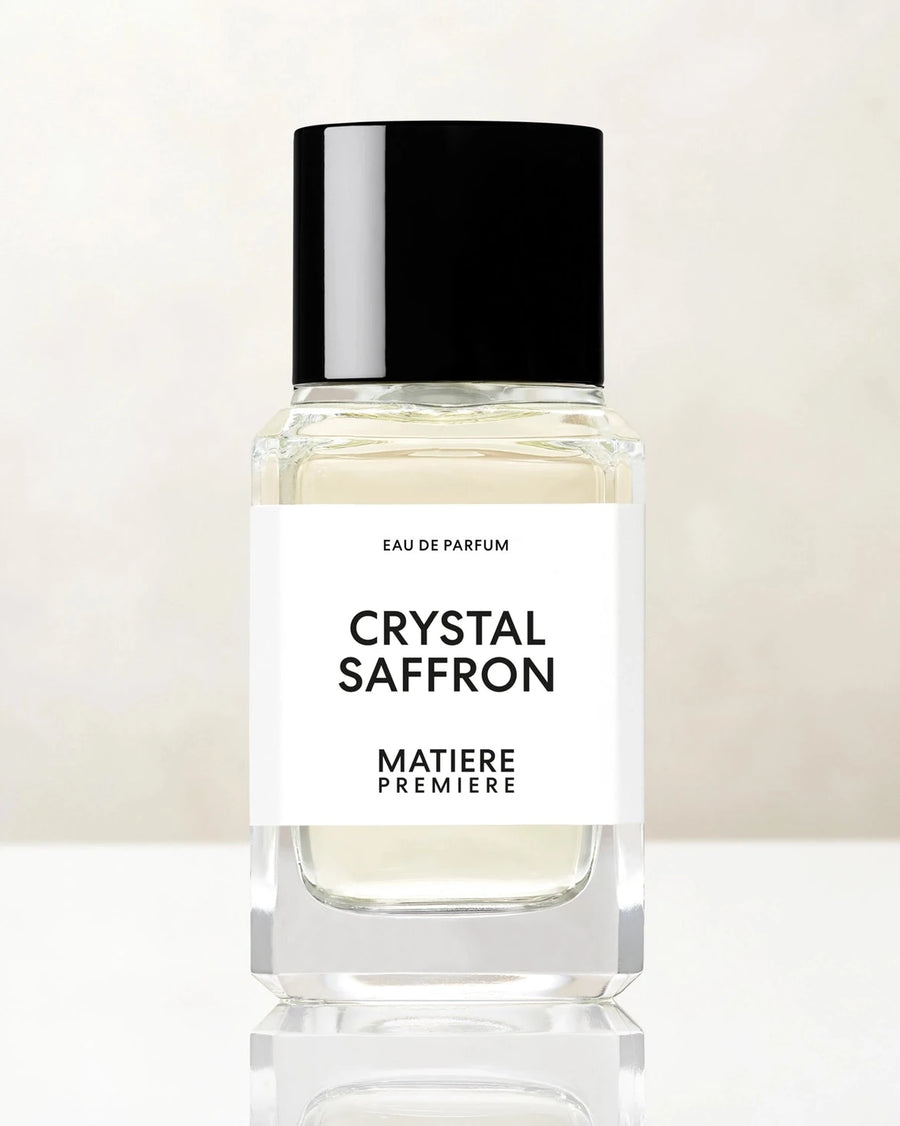
Matière Première Crystal Saffron is built around a single saffron oil from Greece, which the brand holds up as exceptional. The house says each perfume is an overdose of one central natural material, that its perfumer grows raw materials himself in Grasse, and that each harvest is dedicated to one perfume, which in general means fewer bottles share the cost than in a large range. The Matière Première collection lists the others.
Xerjoff Alexandria II lists Laotian oud in its base, and the house files it in a collection built around oud.

Across its range, Xerjoff names materials such as iris butter from Tuscany, tarakan oud from Borneo and Kannauj roses from northern India, which shows how specific a house can be about origin.
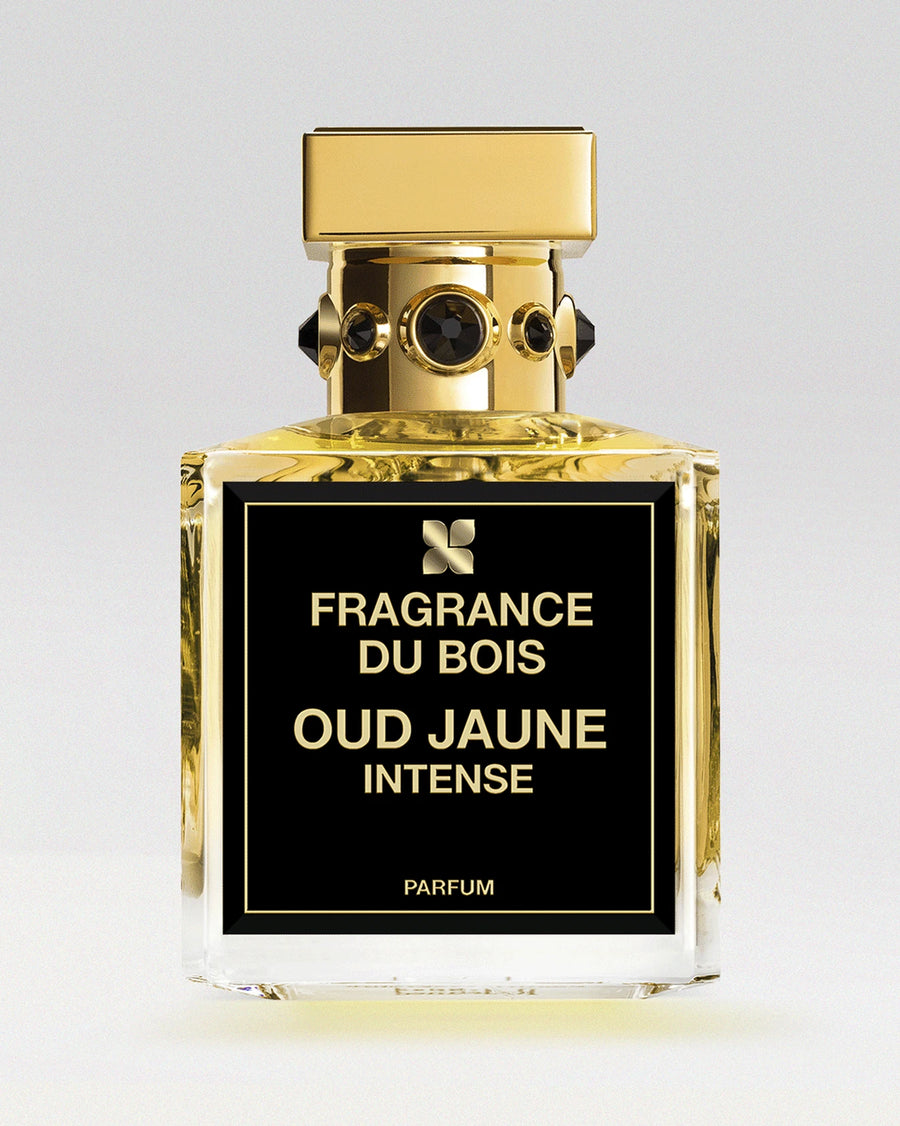
Fragrance Du Bois Oud Jaune Intense lists pure organic vintage oud in its base. The house says its oud is produced sustainably under an exclusive supply agreement, according to a 2017 press release, and describes its style as modern French perfumery built on exceptional naturals.
Ageing and infusion: time in the workshop
Time is a cost too: ageing and infusion keep a batch in the workshop for weeks or months before it can be filled. Amouage ages Guidance for four weeks, and Amouage Outlands goes further. As an Essence it holds 30% perfume oil and is infused for six months with sandalwood chips and with bioethanol aged in oak barrels.

Glass, caps and boxes
Packaging is the part you can see. Pernoire uses a glass flacon with a round zinc-alloy cap and a paper outer box. Xerjoff fills flacons of Murano glass with engravings and semi-precious stones by Italian craftspeople. Fragrance Du Bois describes faceted glass bottles with crystal-studded caps in velvet-lined gift boxes, and Amouage introduced its first new bottle design in 15 years for its Essences.
Why is niche perfume so expensive: creative work and scale
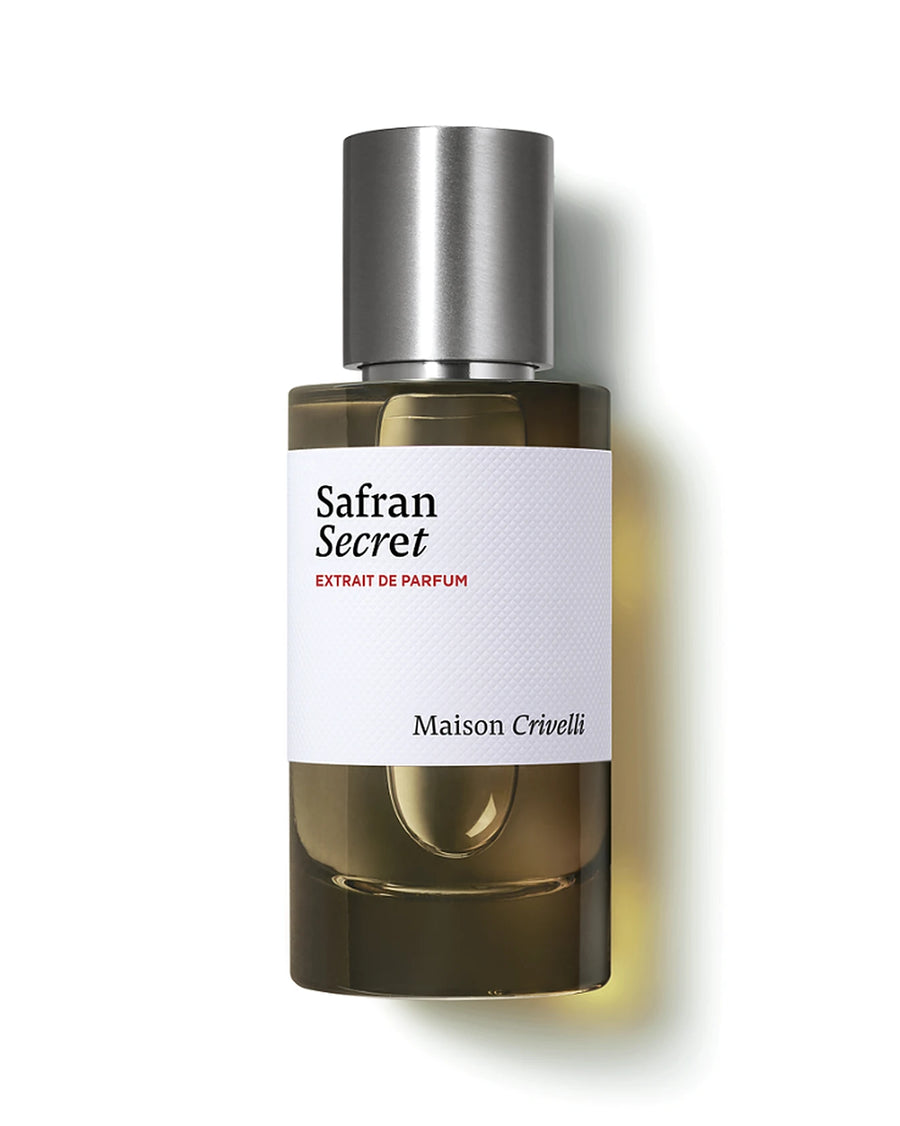
Creative work is the least visible driver. Maison Crivelli Safran Secret belongs to a house that builds each perfume on a real experience its founder had with raw materials, here saffron fields wrapped in fog, and gives its perfumers a multi-sensory moodboard. The house says a creation takes from several months up to two years, and Safran Secret is an extrait at 30%.
At Pernoire the founders develop every composition together with the perfumer. Amouage works with perfumers in Paris, Grasse, Geneva and New York and makes most of its perfumes at its own manufacture in Muscat. Long briefs, long creations and own production all take time, and time is a cost.
Expensive perfume brands and what to look for
Expensive perfume brands are not defined by one thing, and a name tells you less than a product page does. The useful details are the share of perfume oil, any named raw materials, ageing or infusion, and the kind of glass and cap. Our guide to perfume concentrations explains the first of these in general terms, and the brands page introduces the houses behind the perfumes above. None of this ranks one perfume above another; it shows where a house puts its effort.
Frequently asked questions
Why is niche perfume so expensive?
Houses point to a higher share of perfume oil, named natural raw materials, ageing or infusion, glass and caps, and long creative work. No house publishes a full cost breakdown, so the weights are unknown.
Why is perfume so expensive now?
This article rests on what houses say about their own perfumes, not on market data, so it cannot explain a change over time. The lasting drivers it can name are oil share, raw materials, ageing and packaging.
Does a higher perfume oil percentage raise the cost of a perfume?
More perfume oil means more raw material in each bottle, so it is one of the cost drivers, though not the only one. Amouage places Eau de Parfum at 15 to 35% oil and Extrait de Parfum at 40 to 56%.


