

Nishane Ani vs Ani X: How the X Versions Differ
Nishane Ani vs Ani X in plain words, with shorter comparisons of Hacivat and Hacivat X and of Wūlóng Chá and its X version, based on the notes the house gives.

Nishane Ani vs Ani X comes down to the opening and the mood. Nishane Ani is the original: a calm, spiced vanilla extrait with Turkish rose at its heart. Ani X is the version from the X Collection of the house, which keeps the vanilla but opens with more juicy citrus and adds lavender and sage to the heart. This article sets the two side by side, then does the same, more briefly, for Hacivat and Hacivat X and for Wūlóng Chá and its X version.

Ani X comes from the X Collection, which reworks earlier perfumes of the house. In the words of the house, it is a refreshed Ani: more juicy citrus in the opening than the original, with the vanilla that the original is known for still in place. The idea behind Ani stays the same, which is to break down boundaries and build an empire from the ruins.

Nishane Ani vs Ani X, note by note
If you searched for a Nishane Ani vs Ani X review, you will find a comparison of recorded notes and of our own tags here, not a hands-on test. The notes below follow the tiers of the house.
- Ani, top: Bergamot, green notes, blue ginger, pink pepper
- Ani, heart: Blackcurrant, Turkish rose, cardamom
- Ani, base: Patchouli, cedarwood, vanilla, benzoin, ambergris, musk, sandalwood
- Ani X, top: Bergamot, lemon, watery notes, honeydew melon, cardamom, blue ginger, pink pepper
- Ani X, heart: Lavender, sage, green apple, blackcurrant, rose, patchouli
- Ani X, base: Cedarwood, cashmere wood, vanilla, ambergris, white musk, sandalwood
Three things change. In the top, the X version has seven notes against four, adds lemon, watery notes and honeydew melon, and lifts cardamom up from the heart. In the heart, patchouli moves up from the base, the list says rose instead of Turkish rose, and lavender, sage and green apple arrive. In the base, benzoin and plain musk are gone, cashmere wood and white musk come in, and vanilla, ambergris, cedarwood and sandalwood stay as they were.
Character, season and concentration
Both perfumes are an Extrait de Parfum in 100 ml and both carry a unisex label, so the difference lies in the composition and not in the concentration. What an extrait means in practice is covered in our explainer on concentrations. Our tags show the difference in mood. Ani is spicy, woody and oriental, strong in intensity, and tagged for evenings and special occasions in autumn and winter. Ani X is citrus, spicy, aromatic and fresh, moderate in intensity, and tagged for daily wear, work and special occasions in spring, summer and autumn.
Nishane Ani or Ani X: who might start with which
If the question is Nishane Ani or Ani X, begin with the season and the mood you want. Ani suits cooler months, evenings and people who enjoy vanilla held in check by rose, spice and wood. Ani X suits people who want citrus and herbs on top of a gentle vanilla, a mix between fresh and warm, and those who find heavier vanilla perfumes too much but still like a soft finish. This is a matter of taste and not of quality, since the two answer different moods.
Hacivat vs Hacivat X in short
Hacivat is the house chypre built on pineapple and bergamot. Grapefruit completes the top, jasmine, patchouli and cedarwood make the heart, and clearwood, oakmoss and dry timberwood make the base. We tag it strong, for daily wear, work and special occasions, from spring to autumn.

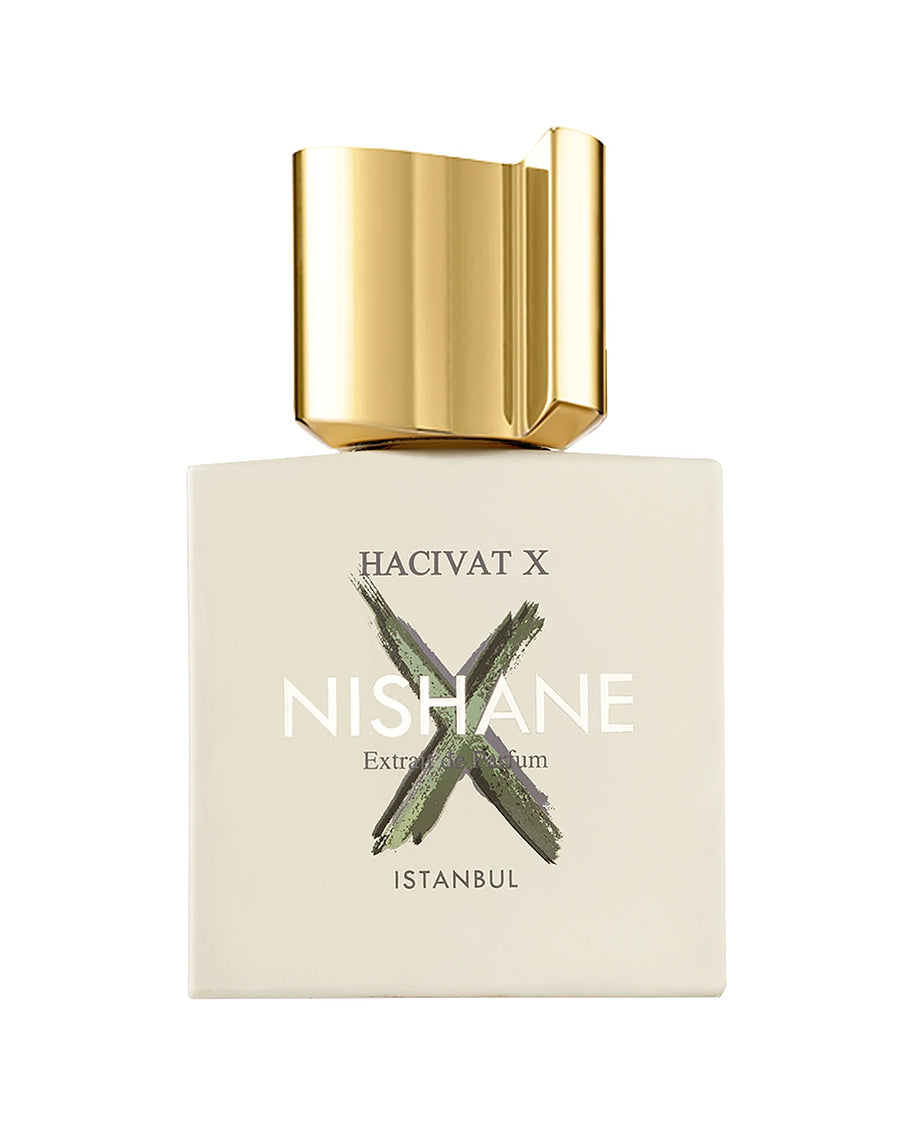
Hacivat X keeps the chypre structure of pineapple, bergamot and woods, as the house puts it, and changes the details. Pink pepper takes the place of grapefruit in the top, lime, jasmine and orange flower form the heart, and the base is patchouli, cedarwood heart and Haitian vetiver. The base list holds no oakmoss, so the mossy finish of the original gives way to patchouli, cedarwood and vetiver. We tag Hacivat X moderate for the same occasions and seasons, and both are unisex Extraits in 100 ml.
Wūlóng Chá vs Wūlóng Chá X
Wūlóng Chá is the tea perfume from the first collection the house launched globally, in 2015. Bergamot, orange, litsea and mandarin open it, oolong tea and nutmeg sit in the heart, and musk and fig make up the base. We list it as an Extrait de Parfum in 50 ml and tag it moderate, for daily wear and work in spring and summer. The house also names a Wūlóng Chá X in the X Collection. Because the notes of that version are not part of this article, we leave the note-by-note comparison to its own product page in the Nishane collection.

If you like these Nishane perfumes
If you like the warmth of Ani, look at Nefs. It shares rose, vanilla and cedarwood with both versions of Ani and adds honey, saffron, oud and leather. We list it in 50 ml and tag it strong, for evenings, autumn and winter.

Browse the Nishane collection or the Extrait de Parfum collection, read our close reading of the Ani notes, or begin on the explore page if you would rather choose by scent.
Frequently asked questions
How do Nishane Ani and Ani X differ?
Ani X opens with more citrus, including lemon and melon, adds lavender, sage and green apple, and drops benzoin and plain musk. The vanilla stays. We tag Ani X moderate and Ani strong.
Nishane Ani or Ani X for warm weather?
Our tags point to Ani X: spring, summer and autumn, with citrus and herbs on top. Ani is tagged for autumn and winter. Both are Extrait de Parfum in 100 ml.
What is the Nishane X Collection?
It is the line in which the house reworks earlier perfumes, with Hacivat X, Ani X and Wūlóng Chá X among them. Each has its own list of notes, so it is a new interpretation and not the same perfume with a new label.


