

What Is Niche Perfume? A Plain-Language Guide
Niche perfume is a way of working rather than a legal category: fewer releases, a clear idea behind each scent and the perfumer's choices in plain view. This guide explains what the term covers, how it differs from designer perfume and where to start.

Niche perfume is a term from the trade, not a legal category. No authority decides which house counts as niche. In everyday use it describes houses that make perfume their main work, release fewer scents than a large fashion label, and let each scent follow a clear idea instead of aiming at the widest possible audience.
That sounds vague, and it is. The useful way to read the word is as a direction: a smaller range, a sharper point of view and more of the creative decisions visible to you. The rest of this guide shows where that direction appears in practice.
What the word covers, and what it does not
Niche points to taste, not to size or ownership. Many niche houses are independent and run by their founder. Others belong to large groups. Le Labo was founded in New York in 2006 by two friends and has been owned by Estée Lauder Companies since 2014. Its manifesto still argues for fewer, more soulful fragrances and puts hand work first, so the label says more about the way a house works than about who owns it.

The word also says nothing about quality. A niche perfume can be superbly made or simply different. A designer perfume can be carefully composed and beautifully balanced. Judge the perfume in front of you, not the category it belongs to.
Niche and designer perfume: the usual differences
Designer perfume comes from fashion houses, where fragrance sits next to clothing, bags and accessories. Niche perfume comes from houses where scent is the main product, often the only one. A set of tendencies follows from that. They are tendencies, not rules, and there are exceptions on both sides.
| Aspect | Typical designer perfume | Typical niche perfume |
|---|---|---|
| Main business | Fashion, with fragrance as one category | Perfume is the main work of the house |
| Range | Large, renewed often | Smaller, released more slowly |
| Audience | Broad, familiar profiles | Specific tastes; some scents divide opinion on purpose |
| Where it is sold | Widely, in many chains and stores | Own boutiques and selected specialist shops |
| What comes first | The brand name and the campaign | The perfumer, the concept and the raw materials |
What niche houses put in front
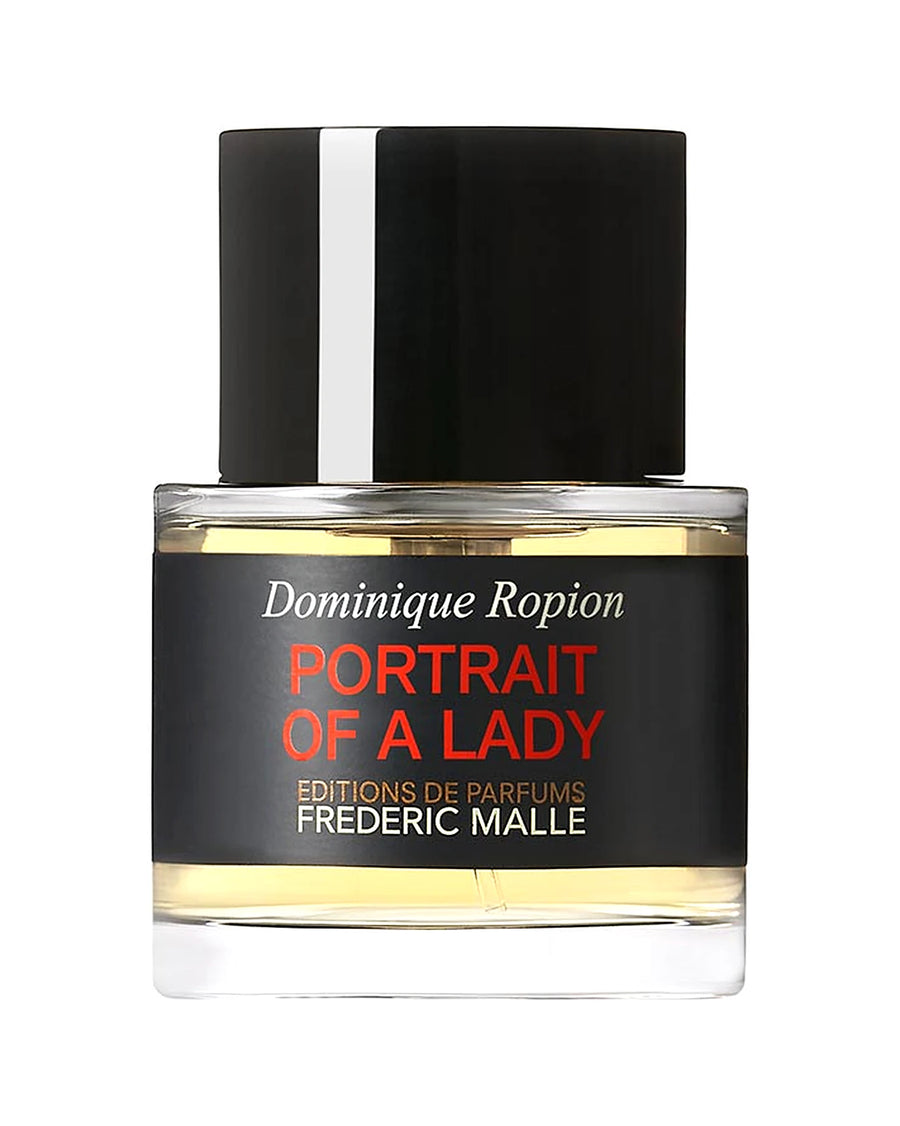
The clearest sign of the niche approach is that creative choices are visible. Frederic Malle treats perfumers as authors and prints their names on the bottle, the way a book carries its author. Each perfumer is given complete creative freedom, and as much time as the work needs.
Zoologist, a Toronto house founded in 2013, names every perfume after an animal and works with a different named perfumer for each one. Amouage, founded in Oman in 1983, has its perfumes composed in Paris, Grasse, Geneva and New York and makes most of them at its own manufacture in Muscat. The ideas differ, the habit is the same: where a scent comes from is part of its story.

Some houses go the other way and say less. Nasomatto publishes no notes at all. Each perfume comes with a short evocation instead, and each cap is made from a natural material such as burnt oak or cork. Withholding the notes is a creative decision too, and it is one reason the niche world can feel unfamiliar at first. We come back to this in our guide to reading a fragrance pyramid.
Process is another place where the difference shows. Les Eaux Primordiales, a French house founded in 2015 near Arras, designs, matures and bottles everything on one estate. Finished compositions rest in stainless-steel vats in a darkened room, with temperature and humidity controlled, before they are bottled. You do not need to know any of this to enjoy a perfume, but it shows how much of the work a small house can keep under its own roof.

What niche perfume does not promise
- Longer wear. How long a perfume stays on the skin depends on its concentration and on the weight of its base notes, not on whether the house is niche. Many niche houses do work with richer concentrations such as extrait de parfum, which our guide to concentrations explains.
- A better match for you. A distinctive scent is a clearer yes or a clearer no. Knowing which families and notes you like helps more than the label on the bottle.
- Rarity in every case. Niche describes an approach, not how many people wear a perfume.
- Gender rules. Many niche houses do not assign a gender to their perfumes. Fascent, a French house founded in 2023, says all of its perfumes are deliberately unisex.
How to start with niche perfume
Begin with what you already like. If you wear fresh citrus scents, look for niche perfumes with a citrus opening and light woods underneath. If you prefer warm, sweet scents, look at amber and vanilla. Our guide to fragrance families helps you put a name to your taste.
Then read the notes. Portrait of a Lady by Frederic Malle shows how a niche perfume can be read: rose in the opening, blackcurrant, raspberry and clove in the heart, patchouli, sandalwood and frankincense in the base. Even without smelling it, that list tells you it is dark, fruity and resinous rather than light and clean.
A paper strip shows only the opening of a perfume. The heart and the base appear on skin, over time. If a house or a shop offers samples, wearing one for a day tells you far more than a minute at a counter, and it keeps a bold choice from turning into a regret.
Finally, choose a house whose idea appeals to you rather than a single perfume. Once you know that you like how one house thinks about scent, its other perfumes are easier to judge. You can browse all the houses on our brands page.
Frequently asked questions
Is niche perfume better than designer perfume?
Not by definition. Niche describes an approach: smaller ranges, a clear concept and visible creative choices. Quality depends on the individual perfume, and both groups contain well made and ordinary scents.
Does niche perfume last longer?
Not because it is niche. Staying power depends on the concentration and on the base notes, such as woods, resins, vanilla or musk. Check those two things on the product page instead of relying on the label.
Are niche perfumes unisex?
Many are. Several houses do not assign a gender, and Fascent says all of its perfumes are deliberately unisex. A scent suits whoever enjoys its notes, whatever the label says.


