

French Niche Perfume Brands: Five Paris Houses
Thirteen of the houses we carry are recorded as French. This guide takes the five Paris houses founded before 2010, Diptyque, Frederic Malle, Juliette Has a Gun, Maison Francis Kurkdjian and Maison Margiela, in alphabetical order and without ranking, with one or two perfumes each.

Thirteen of the houses we carry are recorded as French, which is too many for one page. This guide takes the five that were founded before 2010, all of them in Paris: Diptyque, Frederic Malle, Juliette Has a Gun, Maison Francis Kurkdjian and Maison Margiela. The eight younger ones follow in new French niche perfume houses. The sections run in alphabetical order, without ranking, and each names the one or two perfumes with the most ratings in our research for that house. For every other country, go to niche perfume houses by country.
What France means on these bottles
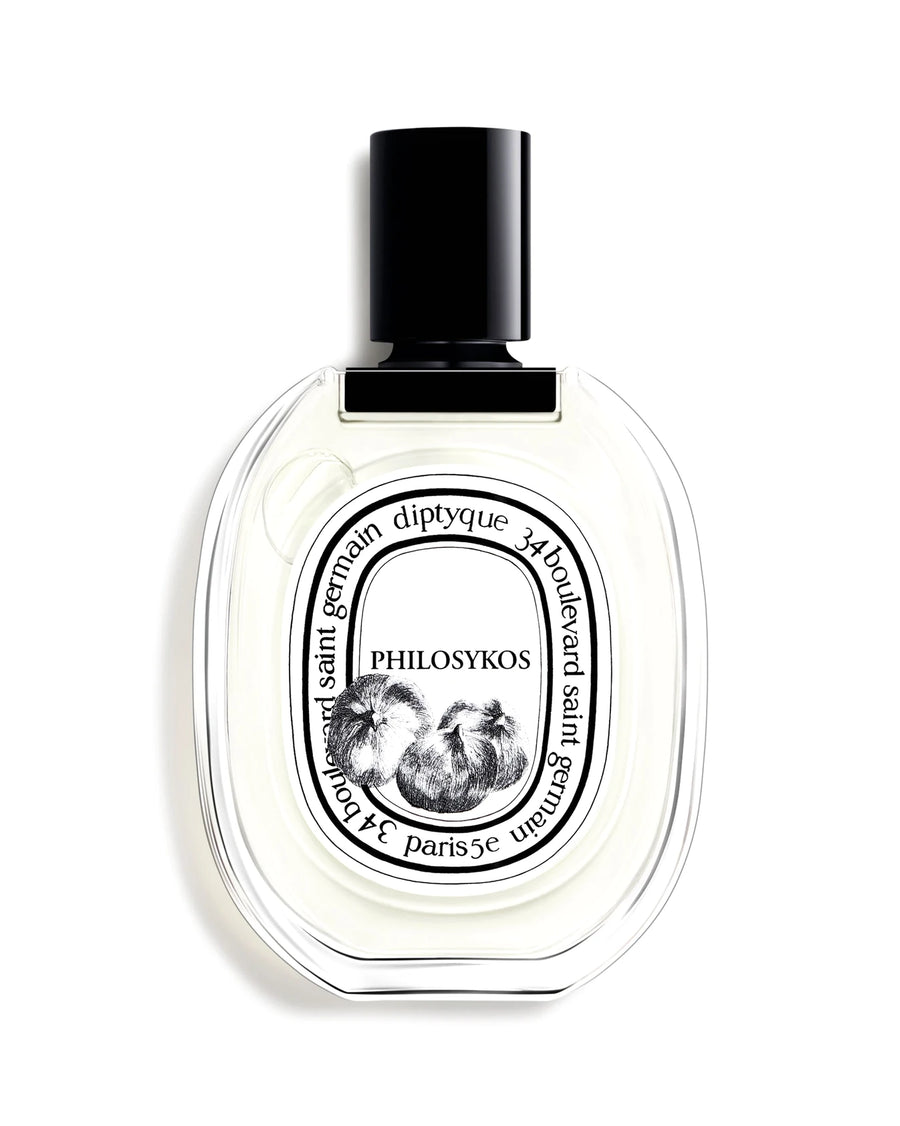
Paris is the shared address, and for some of the five it is part of the story as well. Diptyque prints 34 boulevard Saint-Germain around its oval label, and Frederic Malle takes the graphic codes of its packaging from the Gallimard book covers. Diptyque says all its fragrances are made in France, the product data of Maison Francis Kurkdjian lists France as country of origin and of assembly, and Juliette Has a Gun says it was created in France between Paris and Grasse.
The five houses
Diptyque
Founded in Paris in 1961 by three friends, at the address the brand calls its birthplace. It tells its story as that of three artists drawn to nature, travel and art, and it gives each perfume a flat list of four notes instead of a pyramid. Philosykos, an Eau de Toilette, is an ode to the whole fig tree after a Greek summer at Mount Pelion: fig leaves, fig tree sap, fig tree wood and black pepper. You will find it among our fig perfumes. Orphéon, an Eau de Parfum, remembers a bar in Saint-Germain in the early 1960s, with juniper berry, cedar, tonka bean and jasmine. The two are set side by side in Philosykos vs Orphéon, and the Diptyque guide describes all ten.

Frederic Malle
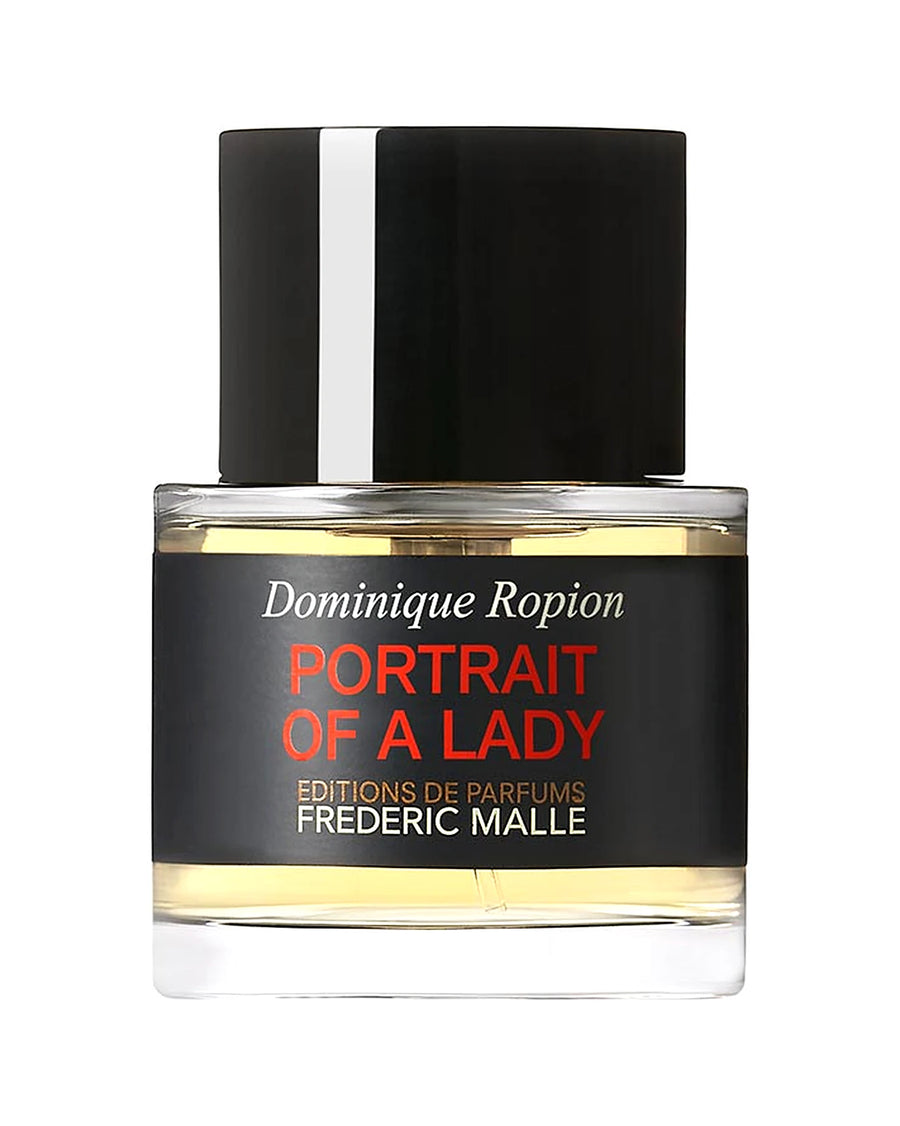
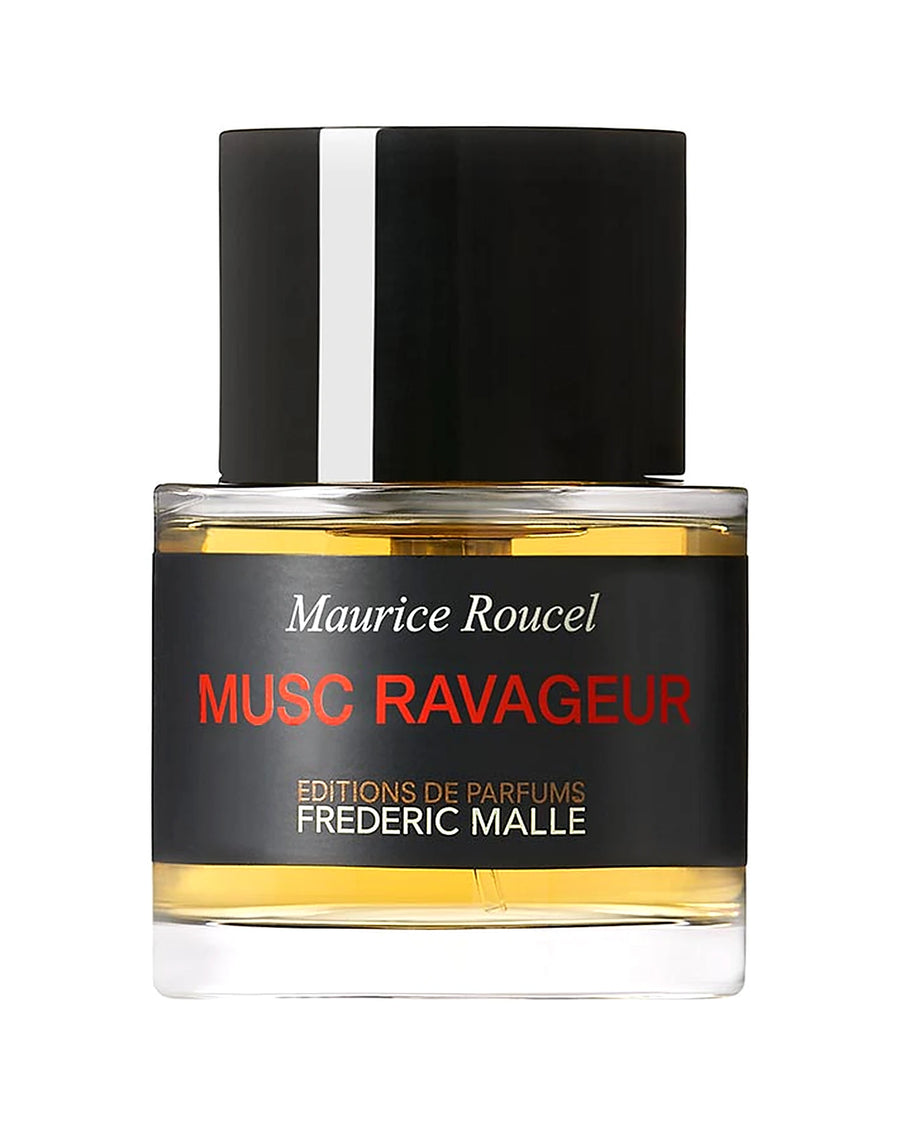
Editions de Parfums Frédéric Malle was founded in 2000 and launched that year with nine perfumes. The house says it was the first to bring perfumers out of the shadows: it treats them as authors and prints their names on the bottle, like a book. Portrait of a Lady, by Dominique Ropion, is a rose pushed to extravagant proportions, which the house calls a new take on the chypre family, a term our perfume glossary explains. Rose is on top, blackcurrant, raspberry and clove are in the heart, and patchouli, sandalwood and frankincense in the base; it is one of our rose perfumes. Musc Ravageur, by Maurice Roucel, is what the brand calls its hottest amber fragrance: bergamot, mandarin and lavender, then amber, vanilla and musk, over sandalwood and musk. The Frederic Malle guide continues.
Juliette Has a Gun
Created by Romano Ricci, whom the brand describes as its artistic director. The name imagines Shakespeare's Juliet in the twenty-first century with a gun, the gun being a metaphor for perfume. The pyramids are stated very briefly, often one note per level. Not a Perfume takes that to the limit. It is built on a single ingredient, Cetalox, which the brand lists at the top, heart and base alike and presents as a clean, skin-like scent that also works under other perfumes. See the Juliette Has a Gun guide.

Maison Francis Kurkdjian
Co-founded in 2009 by the perfumer Francis Kurkdjian and Marc Chaya; Chaya leads the company and Kurkdjian provides the creative vision. The collection is conceived as a fragrance wardrobe, scents to wear according to mood, and the house publishes key ingredients instead of pyramids. For Grand Soir, an evening perfume, these are cinnamon tree, a vanilla amber accord, ciste labdanum and lavender, which puts it among our ambery perfumes. Baccarat Rouge 540 was created with the crystal maker Baccarat for its 250th anniversary, and its list is three entries long: Hedione, Ambroxan and saffron. We take that list apart in Baccarat Rouge 540 notes; the house itself is in the Maison Francis Kurkdjian guide.


Maison Margiela
A Paris fashion house, founded in 1988 by the Belgian designer Martin Margiela. Its first fragrance came out in 2010 and Replica, its first fragrance collection, in 2012. Each Replica is presented as a memory turned into a scent, under a cotton label modelled on the house's fashion pieces. Replica By the Fireplace, an Eau de Toilette, is a winter evening by a wood fire: pink pepper essence, orange flower absolute and clove oil on top, a chestnut accord, gaïac wood oil and cade oil in the heart, and a vanilla accord, Peru balsam resinoïd and Cashmeran in the base. The line has a page of its own, the Replica guide, next to the Maison Margiela guide.

Choosing between them
- A named author: Frederic Malle prints the perfumer on every bottle, and Maison Francis Kurkdjian is the work of one perfumer.
- Short lists: Diptyque gives four notes, Maison Francis Kurkdjian a few key ingredients and Juliette Has a Gun sometimes a single one.
- A memory per bottle: Replica and Diptyque both start from a place or a moment.
If a season, an occasion or a scent family is a better starting point for you than a country, Find your scent asks five short questions.
Frequently asked questions
Which French perfume brands does NicheGems carry?
Thirteen houses are recorded as French in our research. This guide covers the five founded before 2010: Diptyque, Frederic Malle, Juliette Has a Gun, Maison Francis Kurkdjian and Maison Margiela. The other eight are in our guide to new French houses.
Is Maison Margiela a perfume house?
It is a Paris fashion house, founded in 1988 by Martin Margiela. Its first fragrance came out in 2010, and Replica, its first fragrance collection, followed in 2012.
Which of these French houses name the perfumer?
Frederic Malle prints the perfumer's name on the bottle, like the author of a book, and at Maison Francis Kurkdjian the perfumer is a co-founder. The product pages of Diptyque and Juliette Has a Gun credit no perfumer.


